Understanding Play Therapy
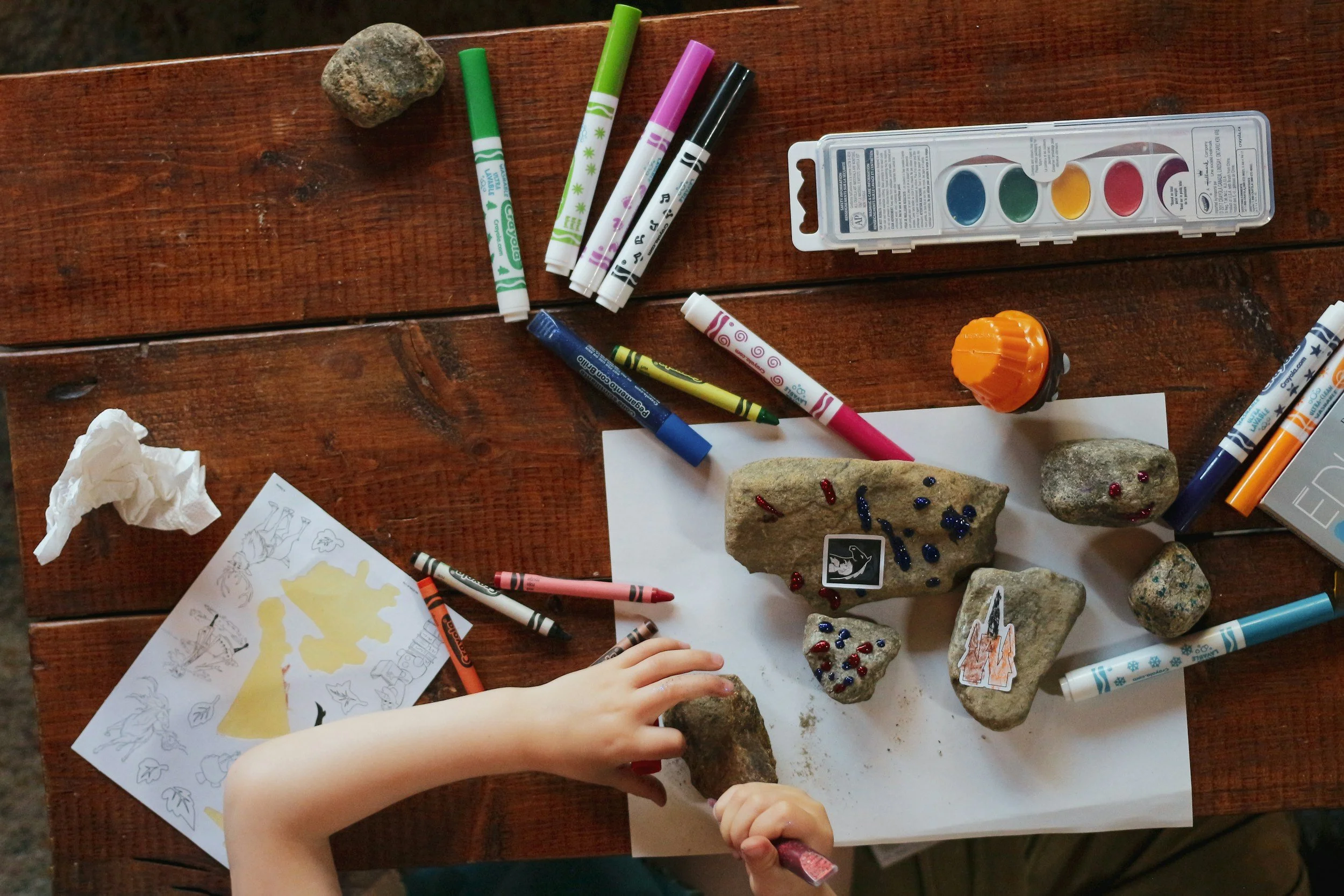
As a play therapist in the Des Moines Metro, we often hear parents ask: “Isn’t play therapy just kids playing with toys?” While it may look like fun and games, play therapy is a research-based approach that helps children express their thoughts, feelings, and experiences—especially when they don’t yet have the words to explain what’s going on inside.
Play Is Communication
Play is a child’s natural language. Just like adults talk to decompress and process emotions, children use play to make sense of their world.
In talk therapy, adults sit and speak for about 50 minutes. But that setup doesn’t work for kids. They’re not developmentally ready to verbalize big feelings, and many don’t have the vocabulary yet. Through building with blocks, using puppets, or acting out stories, children reveal their inner world and emotions.
The play therapist is trained to guide this process gently, helping the child without making it feel like “work.”
Play Therapy Is Built on Metaphor
Kids are full of imagination, and play therapy uses that imagination to heal.
Through dolls, superhero figurines, or pretend scenarios, children often act out stories that mirror their real-life experiences. These metaphors give the therapist insight into what the child is processing, like anxiety, family changes, grief, or trauma.
The therapist can then help the child reframe the story in a positive, empowering way. This helps them find tools to navigate their own life challenges.

Trust Comes First: The Therapeutic Relationship
As in adult therapy, trust is everything. Children need to feel safe before they can share vulnerable emotions.
Over time, play therapy creates a strong, secure relationship between therapist and child. This bond is essential for therapeutic growth and healing. Therapy becomes a consistent, safe space where the child knows they are accepted, supported, and understood.
Parent involvement, routine appointments, and ongoing support all strengthen this partnership.
Talk Therapy vs. Play Therapy
Although the tools are different, the goals of talk therapy and play therapy are very similar. Children are working through important emotions and experiences in a way that matches their developmental level.
Play therapists are trained to notice patterns in behavior and symbolic expression. It may look like fun on the surface, but the work being done is deep and meaningful.
We don’t expect a third grader to learn algebra like a college student, and therapy should reflect those same age-appropriate principles.
Looking for a Play Therapist in the Des Moines Metro?
If your child is facing anxiety, behavioral challenges, grief, or other emotional difficulties, play therapy can help. We provide therapy services in Urbandale and the greater Des Moines area, with a developmentally appropriate, compassionate approach to helping children thrive.
Fill out this form to work with a play therapist at Nurture Family Therapy!