Session 1: What to Expect at Your Child’s First Play Therapy Session
You’ve connected with a play therapist at Nurture Family Therapy, but now you’re wondering, “What should I expect at the first appointment?”.
As play therapists in Urbandale, Iowa, our goal is to make the process less scary and more supportive, for both you and your child. Here’s what you can expect at your first session and how to prepare.
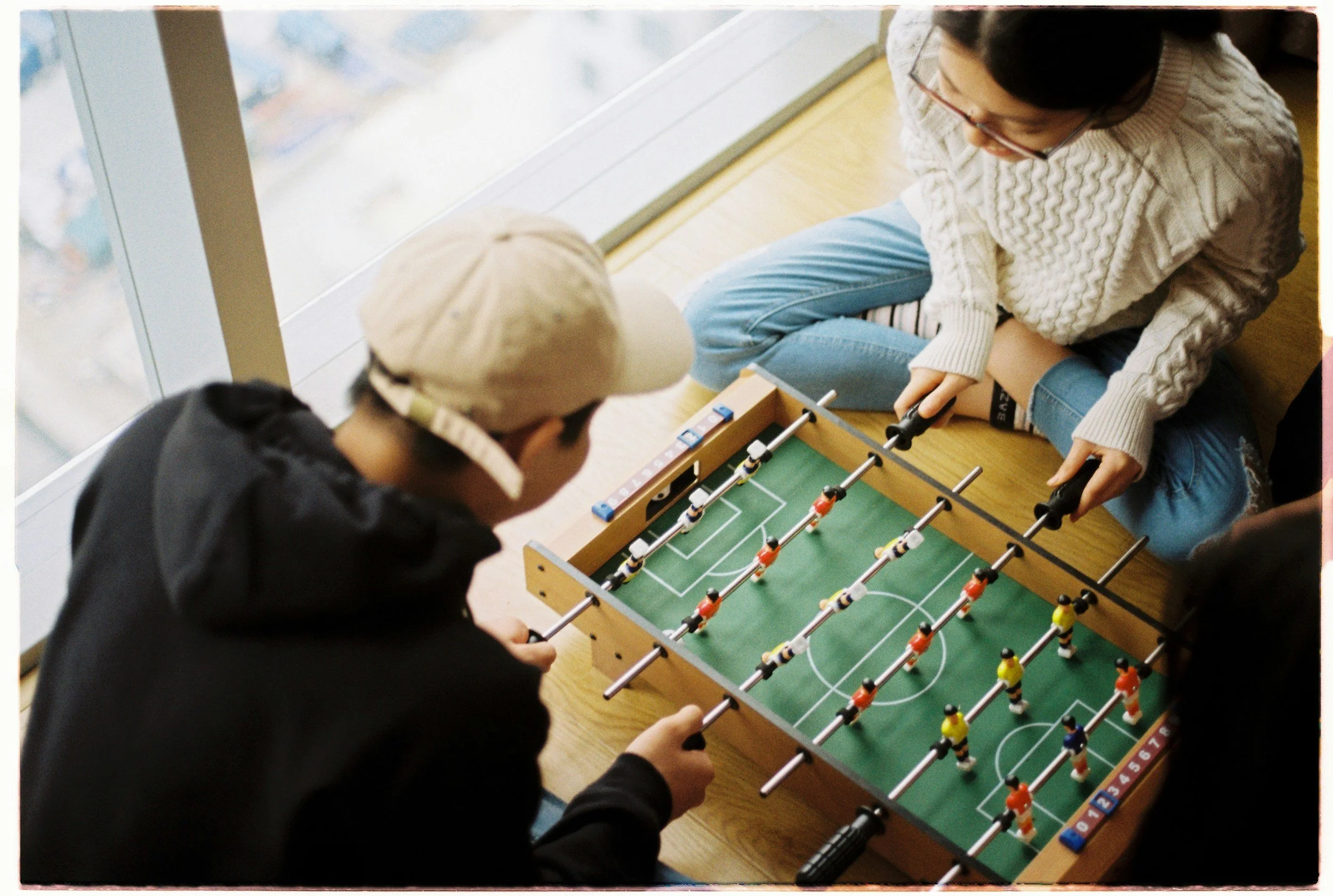
Let’s Walk Through What the First Session Looks Like:
Step 1: Paperwork
Before your first appointment, you’ll be asked to fill out some forms. Please thoroughly complete these before you arrive to your first appointment.
These forms cover:
Your child’s strengths and challenges
Symptom history and concerns
Family dynamics, mental health history, and living situations
Step 2: Conversation and Connection
The first session is usually more structured than future play therapy sessions. The therapist will guide the conversation, asking questions to better understand your family’s situation and determine how best to support your child and family’s needs
Expect questions like:
“Tell me about a typical day at home or school.”
“What does your bedtime routine look like?”
“How does your child handle frustration or big emotions?”
“How do you handle your child’s big feelings?”
“Tell me about a specific time that this big behavior happened.”
Talking about your child’s challenges can feel really hard. You may feel guilt, sadness, or worry that you're somehow "doing it wrong,” but you're not. Every parent is doing the best they can with what they have, and simply showing up is a huge first step.
Therapists aren’t there to judge; we’re here to support you and your child. Being open and honest helps your therapist build the most effective plan to move forward. You're not alone in this process.
If something sensitive comes up that you’d prefer to discuss privately, feel free to say so. A simple “Can we talk about this separately?” is completely appropriate in these situations. The therapist can chat with you privately at the end of the first session or schedule a call for when your child might not be around.
Step 3: Building Rapport Through Play
If time allows, the therapist may invite your child to stay while you step out briefly. Kids often behave differently when parents are out of the room, and this alone time gives the therapist a chance to start forming a connection one-on-one.
This could look like:
Playing a board game
Building with blocks
Drawing or coloring while chatting
These early interactions help your child feel safe and supported, and they allow the therapist to get a glimpse into how your child communicates and copes.
Step 4: Wrapping Up the Session
At the end of your 50 - 55 minute session, your child will rejoin you in the waiting room. This is typically when the therapist will discuss next steps, including frequency of sessions and scheduling follow-ups. Typically, weekly sessions are encouraged at the beginning of session to help the child, caregiver, and therapist build a strong relationship.

Additional Tips for Parents
Ask anything. No question is too small or silly. You and your therapist are teammates working toward your child’s success.
The first few sessions may feel awkward. That’s totally okay. Building trust takes time, but once things settle in, your child will start learning real tools to handle life’s challenges.
Read this post to explain play therapy to your child. Preparation is important for kiddos, big and small.
Looking for Play Therapy in Urbandale, Iowa?
If you’re considering play therapy for your child and aren’t sure where to start, we’d love to help. Our office in Urbandale, Iowa, serves families throughout the Des Moines metro area, and we specialize in helping children navigate tough emotions through creative, developmentally appropriate therapy. Simply fill out this form to get started!